

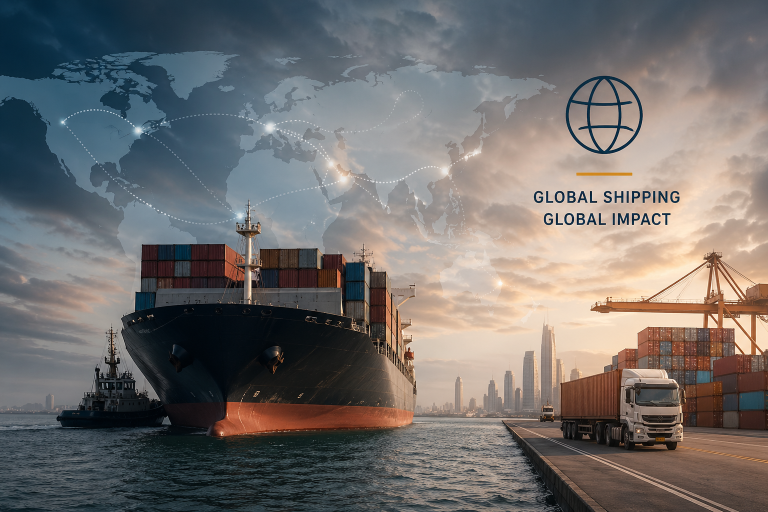
Global shipping and logistics industries are facing major challenges in 2026 due to rising conflicts and geopolitical tensions in the Middle East. As one of the world’s most important trade regions, disruptions in this area directly affect cargo movement, freight costs, fuel prices, and supply chains across the globe. Businesses depending on imports and exports are now experiencing delays, increased transportation expenses, and operational uncertainties.
For countries like the UAE, which acts as a major international trade and logistics hub, these developments have created both challenges and opportunities. Companies are now looking for reliable logistics and customs clearance partners to ensure smooth cargo movement despite global uncertainties.
Understanding the Current Middle East Conflicts
The Middle East plays a crucial role in global trade because of its strategic shipping routes, oil supply, and international ports. Ongoing regional tensions, security threats, and disruptions near important maritime routes have increased concerns within the logistics sector. Shipping companies are being forced to adjust routes, improve security measures, and manage operational risks more carefully than ever before.
These conflicts not only impact regional trade but also affect businesses worldwide that rely on international shipping and timely cargo delivery.
Why the Middle East is a Critical Global Shipping Route
The Middle East connects Asia, Europe, and Africa through some of the busiest shipping corridors in the world. Important routes such as the Strait of Hormuz and the Red Sea are essential for transporting oil, consumer goods, industrial products, and raw materials.
A significant percentage of global trade passes through these waters every day. Even minor disruptions in these areas can create delays across international supply chains, affecting businesses, retailers, and manufacturers worldwide.
How Conflicts Affect International Cargo Movement
Geopolitical instability often creates uncertainty for shipping companies and freight operators. Cargo vessels may face route diversions, delayed port operations, increased inspections, or restricted access to certain regions. These disruptions increase transit times and reduce the overall efficiency of global shipping networks.
Many shipping companies are now avoiding high-risk zones, resulting in longer shipping routes and additional operational costs. As a result, businesses importing products may experience delayed deliveries and fluctuating freight charges.
Rising Freight Charges and Fuel Costs in 2026
One of the biggest impacts of Middle East conflicts is the rise in transportation and fuel costs. Since oil prices are highly influenced by regional stability, any disruption in the Middle East often leads to increased fuel prices worldwide.
Higher fuel costs directly affect air freight, sea freight, and land transportation expenses. Shipping companies also increase freight rates to compensate for route changes, security costs, and operational risks. This ultimately increases the cost of importing and exporting goods for businesses across multiple industries.
Shipping Delays, Port Congestion & Supply Chain Disruptions
Global supply chains depend heavily on predictable shipping schedules. However, ongoing tensions in critical trade regions are causing delays in cargo handling, customs processing, and vessel movement. Certain ports are experiencing congestion as shipping companies reroute cargo or face operational slowdowns.
According to the World Shipping Council, ongoing tensions in the Middle East continue to affect global shipping routes, transit schedules, and cargo operations worldwide.
For importers and exporters, these delays can lead to stock shortages, project interruptions, and increased warehousing expenses. Businesses that rely on time-sensitive deliveries are especially affected.
Impact on UAE Importers, Exporters & Businesses
The UAE remains one of the most important logistics and trade centers in the Middle East. While regional conflicts create operational challenges, Dubai continues to play a major role in maintaining global trade flow through advanced infrastructure, world-class ports, and efficient customs systems.
However, UAE businesses still face rising shipping expenses, changing freight schedules, and supply chain uncertainties. Companies importing construction materials, electronics, FMCG products, machinery, and industrial goods are carefully monitoring logistics costs and delivery timelines.
Air Freight vs Sea Freight During Global Uncertainty
During crisis situations, many businesses shift towards air freight for faster and more secure delivery. Although air freight offers reduced transit times, it is significantly more expensive compared to sea freight.
Sea freight remains the preferred option for bulk cargo and cost-effective international shipping, but businesses must prepare for potential delays and changing shipping schedules. Choosing the right freight solution depends on cargo type, urgency, and budget requirements.
Increased Cargo Insurance & Security Measures
Shipping companies and logistics providers are also increasing security procedures to protect cargo movement in high-risk regions. This includes enhanced vessel monitoring, route planning, and cargo inspections.
At the same time, cargo insurance costs have increased due to rising geopolitical risks. Businesses are now paying closer attention to shipment protection and risk management strategies to minimize financial losses during transportation disruptions.
How Smart Logistics Companies Handle Crisis Situations
Experienced logistics companies are adapting quickly by diversifying shipping routes, improving cargo tracking systems, and strengthening supply chain planning. Flexible logistics strategies help businesses reduce delays and maintain smoother cargo operations even during uncertain situations.
Reliable customs clearance, accurate documentation, and proactive shipment coordination are now more important than ever for international trade success.
Tips to Reduce Shipping Delays and Extra Costs
Businesses can minimize logistics challenges by planning shipments early, maintaining proper documentation, choosing trusted freight partners, and monitoring global shipping trends regularly. Diversifying suppliers and maintaining flexible delivery schedules can also help reduce operational risks.
Working with experienced logistics companies ensures faster customs clearance, better shipment management, and improved supply chain reliability.
Why Businesses Need a Reliable Logistics Partner in Dubai
In today’s unpredictable global market, choosing the right logistics partner is essential. Professional shipping and freight companies help businesses manage customs procedures, cargo movement, warehousing, transportation, and documentation efficiently.
A logistics company in Dubai can help reduce delays, control costs, and ensure smoother import and export operations during challenging global conditions.
How Al Areeb Supports Smooth Cargo & Customs Operations
Al Areeb Clearing & Shipping LLC provides professional logistics, freight forwarding, cargo handling, and customs clearance services across the UAE. With experience in managing international shipments and customs processes, Al Areeb helps businesses maintain smooth cargo movement even during global market uncertainties.
From air freight and sea freight to customs clearance and transportation services, the company focuses on providing reliable and efficient logistics solutions tailored to business needs.
Conclusion
Middle East conflicts continue to impact global shipping, cargo costs, and supply chain operations in 2026. Rising fuel prices, freight charges, and shipping delays are creating challenges for businesses worldwide. However, with proper planning and the support of experienced logistics partners, businesses can manage these disruptions more effectively.
As global trade conditions continue to evolve, companies must remain flexible, informed, and prepared to navigate the changing logistics landscape successfully.