

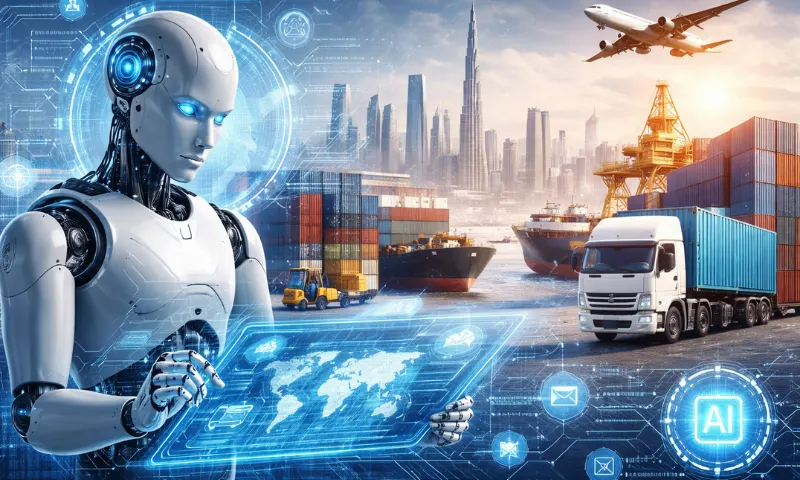
Freight forwarding in Dubai has long been a critical component of global trade, connecting businesses across continents and ensuring smooth movement of goods. As one of the leading logistics hubs in the Middle East, Dubai handles millions of tons of cargo each year. However, like any fast-growing industry, freight forwarding faces challenges such as delays, operational inefficiencies, and rising costs. Enter Artificial Intelligence (AI) — a technological innovation that is transforming how freight is managed, monitored, and delivered.
In 2025, AI is no longer just an experimental tool; it has become an essential driver for efficiency, transparency, and customer satisfaction in freight forwarding in Dubai. Businesses that leverage AI are gaining a competitive edge, improving operational efficiency, and enhancing the overall shipping experience.
Current Challenges in Freight Forwarding
Freight forwarding is a complex process involving multiple stakeholders, documentation, and compliance with international regulations. Companies often face:
- Delays and Inefficiencies: Inefficient route planning, port congestion, and unpredictable customs clearance can lead to shipment delays.
- High Operational Costs: Manual processes, paperwork, and workforce requirements increase costs, impacting profit margins.
- Human Errors: Mistakes in documentation, shipment scheduling, and cargo tracking can disrupt supply chains.
These challenges underscore the need for smarter solutions, and AI has emerged as the key to addressing these pain points.
What is AI in Logistics?
AI in logistics refers to the use of machine learning algorithms, predictive analytics, and automation technologies to improve operational efficiency and decision-making. Key AI applications in freight forwarding include:
- Predictive Analytics: Forecasting delays, demand patterns, and inventory needs.
- Automation: Reducing manual paperwork and automating routine tasks.
- Smart Tracking: Real-time monitoring of shipments and proactive problem-solving.
By integrating AI into logistics workflows, freight companies can operate with greater precision, speed, and accuracy.
How AI is Transforming Freight Forwarding in Dubai
Dubai’s logistics industry is rapidly adopting AI solutions to enhance freight forwarding operations. Here’s how:
1. Route Optimization and Predictive Delivery
AI-powered systems analyze traffic patterns, weather conditions, and port congestion to optimize delivery routes. This ensures shipments reach their destinations faster and reduces operational costs.
2. Inventory and Warehouse Management
AI tools enable predictive inventory management, ensuring warehouses are stocked efficiently and resources are allocated effectively. This reduces storage costs and prevents delays caused by stock shortages.
3. Automated Customs Documentation
Customs clearance can be a time-consuming process. AI automates document verification, reduces errors, and speeds up the approval process, making it easier for businesses to manage imports and exports.
4. Smart Cargo Tracking
With AI-driven IoT sensors and predictive models, freight companies can monitor shipments in real time. Alerts for potential delays or disruptions allow companies to act proactively, improving customer satisfaction.
Benefits for Businesses and Customers
The adoption of AI in freight forwarding in Dubai brings significant advantages:
- Faster Shipments: Optimized routes and automated processes minimize delays.
- Cost Savings: Reducing manual work and errors cuts operational costs.
- Transparency: Real-time tracking and predictive analytics keep businesses informed about shipment status.
- Improved Customer Experience: Timely deliveries and accurate updates enhance trust and reliability.
Companies like Al Areeb Clearing and Shipping LLC are leveraging AI to provide efficient, transparent, and reliable freight forwarding services. With smart technology and experienced professionals, Al Areeb ensures that businesses in Dubai can move their goods seamlessly, even in complex shipping scenarios.
Future Trends
Looking ahead, AI will continue to redefine the logistics industry:
- Autonomous Freight Vehicles: Self-driving trucks and drones could revolutionize delivery speeds and efficiency.
- Integration with IoT and Smart Ports: Connected sensors and smart port systems will enable real-time data-driven decisions.
- Predictive Maintenance: AI will predict potential issues in vehicles and equipment, preventing delays and breakdowns.
- Enhanced Analytics: More sophisticated AI models will forecast demand, optimize routes, and reduce risk for freight operators.
The freight forwarding landscape in Dubai will become increasingly intelligent, automated, and customer-centric. Companies like Al Areeb are already ahead of the curve, using AI to provide cutting-edge services for their clients.
Challenges and Considerations
While AI offers significant benefits, businesses must be aware of potential challenges
- Investment Costs: Implementing AI systems requires initial investment in technology and training.
- Data Privacy: Handling sensitive shipment and customer data must comply with regulations.
- Skill Requirements: Staff must be trained to operate AI tools effectively.
Despite these challenges, the long-term gains far outweigh the initial hurdles, making AI adoption a strategic priority for forward-thinking logistics companies.
Frequently Asked Questions (FAQ)
1. How is AI improving freight forwarding in Dubai?
AI improves freight forwarding by optimizing routes, predicting delays, automating documentation, and enabling real-time cargo tracking. This helps logistics companies operate more efficiently and deliver faster, more reliable services.
2. Is AI-based freight forwarding suitable for small and medium businesses?
Yes. AI-driven logistics solutions are scalable and can benefit businesses of all sizes. Small and medium enterprises can reduce costs, minimize errors, and gain better visibility over their shipments using AI-powered freight services.
3. Does AI help with customs clearance in Dubai?
Absolutely. AI assists in automating document verification, reducing human errors, and speeding up customs clearance processes. This is especially useful in high-volume trade environments like Dubai.
4. How does Al Areeb Clearing and Shipping LLC use AI in logistics?
Al Areeb Clearing and Shipping LLC integrates smart digital tools, automated tracking systems, and data-driven processes to ensure efficient freight forwarding, smooth customs clearance, and timely delivery for clients across Dubai.
5. Is AI the future of freight forwarding in Dubai?
Yes. With Dubai focusing on smart ports, digital trade, and logistics innovation, AI will play a major role in shaping the future of freight forwarding by improving efficiency, transparency, and sustainability.
Conclusion
AI is transforming freight forwarding in Dubai, making logistics operations faster, more accurate, and highly efficient. From route optimization and smart cargo tracking to automated customs documentation, AI-driven solutions are redefining how goods move across borders. As global trade continues to evolve, businesses that adopt intelligent logistics technologies will gain a clear competitive advantage.
Al Areeb Clearing and Shipping LLC is at the forefront of this transformation, combining industry expertise with modern technology to deliver seamless, reliable, and future-ready freight solutions. By choosing Al Areeb, businesses can confidently navigate the evolving logistics landscape and ensure smooth, efficient freight operations in 2025 and beyond.